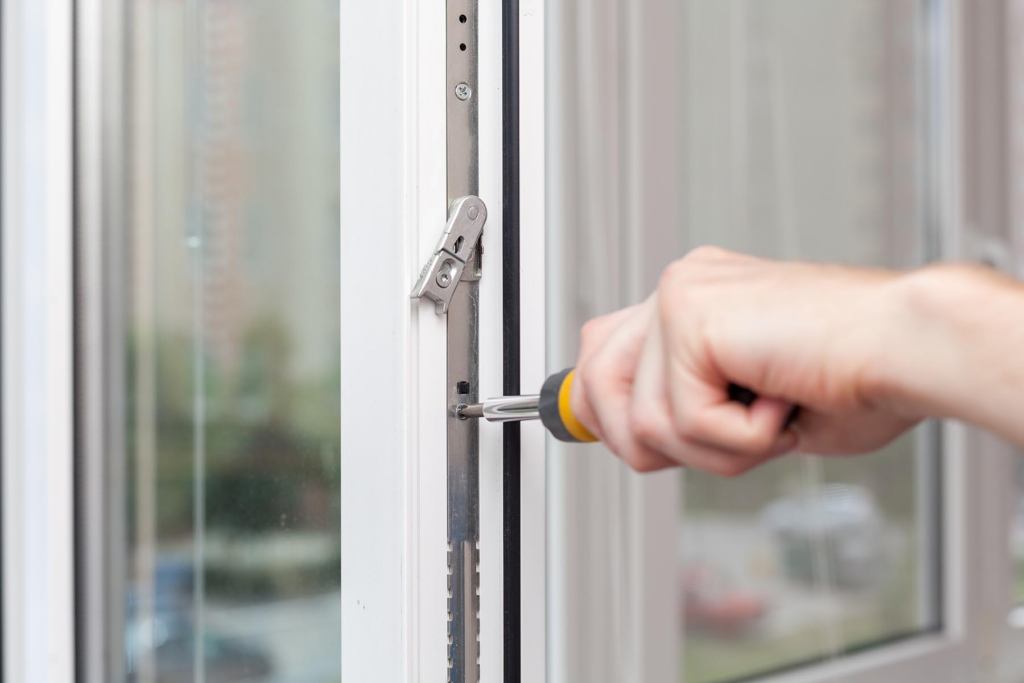
Emergency Window Repair: A Comprehensive Guide
Windows play a vital role in a property's aesthetics, energy performance, and security. When disaster strikes-- whether due to a storm, vandalism, or unexpected damage-- emergency window repair ends up being a pressing concern. Comprehending how to handle such situations effectively can save time, money, and further damage. This article looks into the procedure of emergency window repair, highlighting necessary actions, materials, and typical FAQs.
Importance of Emergency Window Repair
Emergency window repair is not simply about aesthetic appeals. The seriousness typically stems from the requirement to secure one's home and guarantee the safety of its residents. Here are some vital reasons immediate action is needed:
- Security Risks: A broken window can provide easy access for trespassers.
- Weather condition Protection: Broken glass can expose interiors to the components, leading to prospective water damage and increased energy costs.
- Injury Prevention: Sharp glass fragments can position injury dangers to both citizens and family pets.
- Property Preservation: Timely repairs assist in keeping the total integrity of a building.
Immediate Steps for Emergency Window Repair
1. Security First
Before dealing with the harmed window, safety must be the concern.
- Use Protective Gear: Gloves and security glasses are necessary to avoid cuts and injuries.
- Evaluate the Damage: Determine whether the frame is recyclable or needs replacement.
2. Protecting the Area
After ensuring individual security, the next action is securing the location:
- Remove Debris: Carefully clear any glass shards or debris from the area.
- Board Up (If Necessary): If the window is comprehensive, utilize a piece of plywood to cover the opening momentarily. Repair My Windows And Doors is essential for security and to avoid additional damage from climate condition.
3. Temporary Repairs
For instant waterproofing and safety, you may desire to implement some temporary repairs:
- Plastic Sheeting: Duct tape and plastic sheets can offer a barrier against weather components.
- Insulation: If you have insulation products, including them around the damaged location can avoid drafts.
4. Contact Professionals
If the damage is substantial or your abilities in managing repairs are limited, it's prudent to contact a professional window repair service. They can examine the scenario effectively, guaranteeing that repairs fulfill safety codes and requirements.
Types of Window Damage & & Repair Solutions
Table 1: Types of Window Damage & & Their Solutions
| Kind of Damage | Description | Possible Repairs |
|---|---|---|
| Broken Glass Pane | Cracks or shattered glass in a pane | Replacement of the glass pane |
| Damaged Frame | Decomposed or warped window frame | Repairing/painting the frame or complete replacement |
| Draft Issues | Gaps or fractures triggering air leakages | Weather-stripping/caulking |
| Foggy Windows | Stopped working seal causing condensation between panes | Change the insulated glass unit (IGU) |
| Cracked Sealant | Weakened sealant around the window edges | Removing old sealant and using fresh caulk |
Long-lasting Repairs and Maintenance
Once instant repairs have dealt with safety issues, planning for long-lasting solutions is important. The following steps can assist in sustaining window integrity and performance:
Regular Inspections
Conduct regular look for signs of wear, including:
- Cracks in glass or frame
- Condensation in between panes
- Deteriorating sealant
Weatherproofing
To improve window longevity:
- Use high-quality caulk to seal spaces
- Install storm windows for extra defense
- Regularly paint or deal with wood frames to avoid rot
Professional Maintenance
Engage a window contractor for yearly inspections and maintenance procedures. This proactive approach can address little problems before they intensify.
Regularly Asked Questions (FAQs)
1. How do I understand if I need to change or repair my window?
If small problems such as little cracks or broken seals are present, repair work may be adequate. Nevertheless, if the frame is compromised or multiple panes are broken, replacement is likely more effective.
2. Can I carry out short-lived repair work on my own, or should I hire a professional?
While temporary repairs like boarding up or using caulking can be done independently, seeking advice from a professional for significant damage is strongly suggested for security and compliance.
3. For how long can I wait before making long-term repairs?
It's best to make irreversible repair work as quickly as possible to reduce damage and expenses. Postponing might lead to increased security threats and additional damage.
4. Is property owner's insurance useful for window repair work?
In a lot of cases, house owner's insurance coverage can cover window repairs due to storms or vandalism. It's advised to check policy specifics and consult your insurance agent.
5. What products should I keep on hand for emergency repairs?
Having a basic emergency repair set can be useful:
- Plywood or heavy plastic sheets
- Duct tape
- Gloves and security glasses
- Standard tools (screwdriver, hammer, etc)
- A contact list for professional services
The need for emergency window repair can occur unexpectedly, making it important to be prepared. With correct precaution, momentary solutions, and an understanding of when professional aid is required, homeowners can effectively handle the crisis. By committing to regular maintenance and evaluations, the durability and efficiency of windows can be maintained, including to the overall safety and comfort of the home.